Deposit and Withdrawal Times and Fees
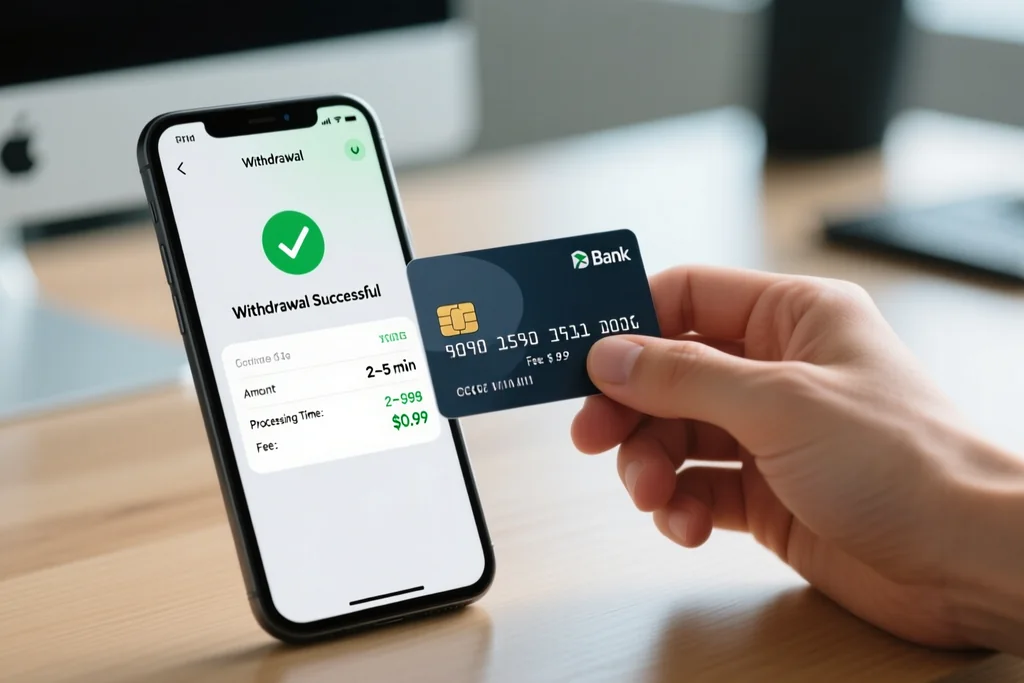
Timing and fees are the two details players ask about most, and both are decided by the payment method rather than by the betting site alone. A method that is instant for a deposit may be slower for a payout. This article explains what affects speed and which fees actually exist.

What Sets the Processing Speed
A useful habit in any online product is to plan the session in advance instead of deciding everything while the screen is open.
Matching the stake to the budget keeps the activity enjoyable whether the results are going well or badly.
Deposit Timing
There is no hidden pattern to exploit, and the value of the product lies in how well it is used rather than in a secret formula.
The interface is designed to be found quickly, so learning the main screens once saves time on every later visit.
Withdrawal Timing
Keeping the profile details up to date avoids most delays, because account checks rely on the information stored there.
A quick check of the current terms before acting avoids surprises, since offers and rules are updated from time to time.
- Deposits are often instant, though some methods take longer.
- Withdrawals usually include at least one review step.
- Fees, when they exist, are set by the provider.
- The cashier shows the current limits and terms.
Where Fees Come From
Checking the terms of an offer once takes a minute, while ignoring them can cost far more than the offer is worth.
A steady connection and a current browser or client remove a surprising share of the small problems that look like faults in the product itself.
| Method type | Deposit speed | Withdrawal speed |
|---|---|---|
| Card | Often quick | Can take a day or more |
| E-wallet | Usually fast | Often within hours |
| Crypto | Fast once confirmed | Fast once confirmed |
Comparing Methods on Cost and Speed
Regular short breaks look like a small thing, yet they make a longer session calmer and easier to keep under control.
Comparing games, offers and methods before committing takes five minutes and pays back across the whole session.
Checking Before You Transact
Reading a guide before acting is cheaper than fixing a mistake afterwards, especially where money and time limits are involved.
The product is meant to be simple to use, and the best routine is the one that stays identical from one session to the next.
The chosen method usually has to match the one used for the deposit, and this rule protects the account as much as the operator.
Limits for a single transaction are shown in the cashier, and a large amount may have to be split into several smaller transfers.
Deposit methods differ in speed and in minimum amount, and the cashier screen always lists the options that are valid for the player region.
A short note of what was spent and what was learned is worth more than a memory of a good run, because it stays honest over time.
A withdrawal always passes through at least one check, so keeping the profile details accurate and current keeps the payout on time.
Some methods suit deposits better and others suit withdrawals, so it is worth looking at both directions before settling on one.
Since the rules and the offers are updated from time to time, the current version on the operator page is always the one that counts.
Comparing two or three options before acting is a habit that costs little and usually returns more than it costs.
Verification is normally required before the first withdrawal, so uploading the documents early removes the delay once winnings arrive.
Keeping the details accurate and the settings deliberate is the quiet work that makes every later step on the account run more smoothly.
Nothing about the product changes the fact that it is entertainment, and treating it that way is what keeps it enjoyable for the long term.
Personal details should only be entered on the official domain, and a padlock in the address bar is the minimum sign of a secure page.
Account details, passwords and codes are never shared with anyone, and staff have no legitimate reason to ask for them.
A calm pace suits the product better than a rushed one, and the player who slows down usually makes fewer mistakes than the player who does not.
A licensed operator publishes its licence details and its terms, and both are worth reading before any money is deposited.
The screens a player uses most are the account menu, the cashier and the game or market list, and learning those three is enough to move around with ease.
When the game stops being enjoyable, pausing the account is a decision nobody has to feel embarrassed about.
Encryption protects the data while it is transferred, but the strongest protection is still a budget decided in advance.
Fair play in games comes from certified randomness rather than from patterns or intuition, and that is why no system can beat the game.
Setting the limits, the session timer and the self-exclusion tool is how a player keeps control over the account at all times.
Speed and cost follow the payment method far more than they follow the betting site, and both are visible in the cashier. Comparing two methods on both counts before committing avoids the surprise that makes a payout feel slower than it actually is.